Страницы

Wednesday, May 6, 2020

Innovations & technologies

Chinese scientists harness fourth state of matter to create ‘air plasma’ jet engine that runs on electricity alone


Chinese scientists harness fourth state of matter to create ‘air plasma’ jet engine that runs on electricity alone
Scientists in Wuhan, China claim to have created a carbon-neutral prototype jet engine which could one day allow for a new era in fossil-fuel free manned flight.
Their prototype engine compresses air and ionizes it with microwaves thus generating plasma which it expels out the back of the engine to generate thrust. Plasma is the fourth state of matter which usually only exists in the laboratory, the surface of the Sun or for brief instances during lightning strikes. 
The proposed system differs from previous attempts at creating plasma jet thrusters as they relied on xenon plasma which cannot withstand the friction inherent in the Earth’s atmosphere. Simply put, they were not powerful enough. 
Their proof-of-concept prototype launched a one-kilogram (2.2lb) steel ball 24mm (almost an inch) into the air. While not particularly impressive on face value, when scaled up, this would equal the same amount of thrust produced by a conventional, commercial jet engine. 
Outer space

Space: Elusive Enigma Flies Again

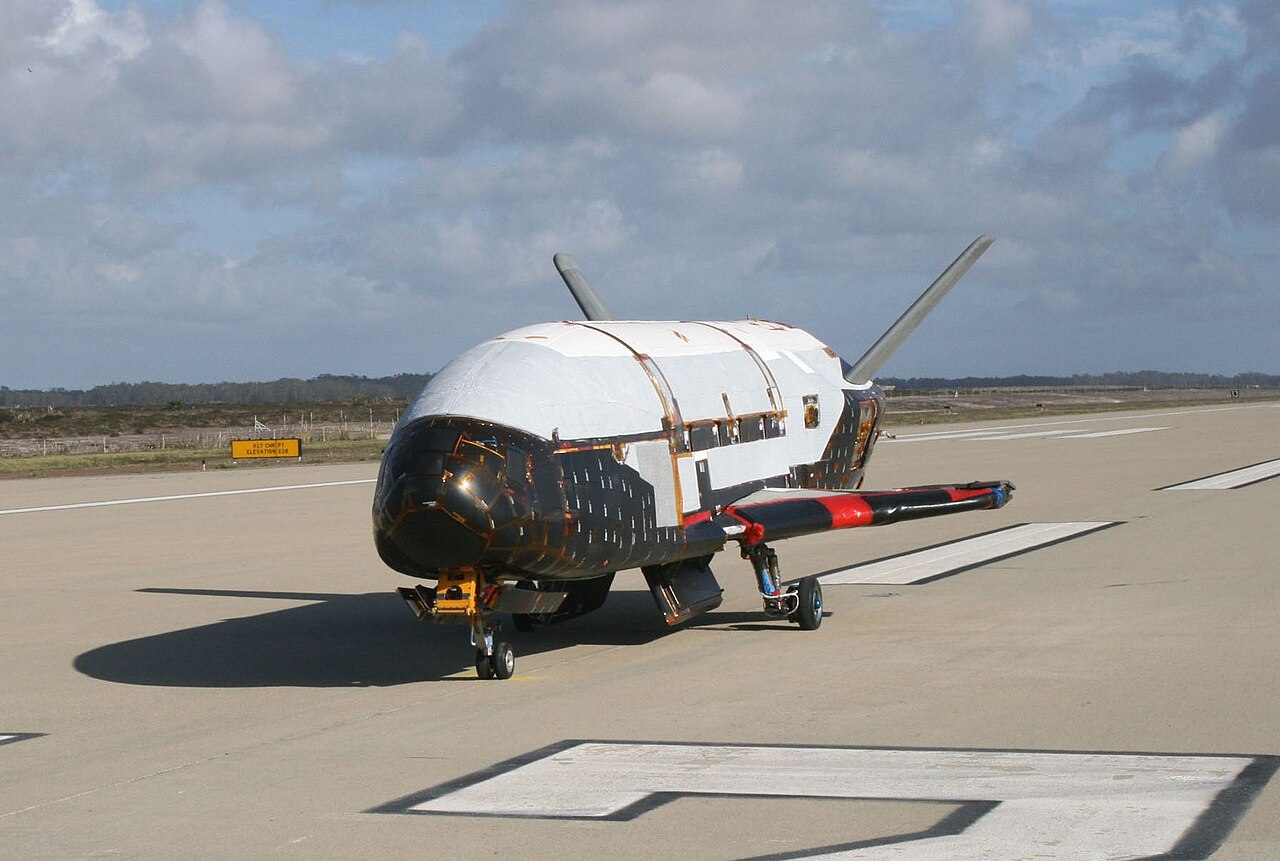
Boeing X-37B after ground tests at Vandenberg AFB, October 2007.jpg
The U.S. Air Force X-37B UOV (unmanned orbital vehicle) is scheduled to go into space for the sixth time in mid-May, seven months after the other X-37B returned from its last, and longest (25.5 months) mission. The X-37B has been doing this for a decade now, going into orbit for the first time in April 2010, for over seven months. Each subsequent launch (March 2011, December 2012, May 2016 and September 2017) kept the X-37B in orbit longer (225 days then 469, 675, 718 and 780). There are actually two X-37B “space planes” so they are not putting the same one back into orbit soon after it returns.

One unanswered question is; what does X-37B do up there? The X-37B operations are classified secret and little information about what happens in orbit is released. The most recent X-37B mission caused a problem when the air force mentioned that the X-37B had carried and released three cubesats (very small satellites) that were not registered with the UN.
Weapons

Will China Develop a Deadly Railgun Before America (And Should Anyone Care)?


Last month the United States Navy scaled back its efforts to develop and electromagnetic railgun (EMRG), a weapon that wouldn't be out of place in a futuristic science fiction movie or video game. To date the U.S. Navy has spent some $500 in RYD efforts. The Navy's EMRG project was first conceived in 2003.

Across the Pacific, Chinese efforts to develop a ship-mounted EMRG is still moving forward, and last year it was reported that such a weapon could be "capable of striking a target 124 miles away of speeds of up to 1.6 miles per second."

EMRG is unlike traditional artillery-based weapons in that it utilizes no gunpowder. It is essentially a large electric circuit that is made of three parts including a power supply, a pair of parallel rails and a moving armature. Electrical currents generate magnetic fields that can accelerate a projectile along two rails. The power supply is actually rather basic and is just the source of electric current – and in this case is in the millions of amps.
Cybersecurity

Cybersecurity Lobbying Spending Mounts as Privacy, Security Laws Take Shape


Cybersecurity companies are spending millions of dollars on lobbying efforts in Washington, seeking to influence policy makers as they reshape privacy and security laws.
As the cybersecurity industry has grown, these companies have increasingly sought to get time with lawmakers and help shape bills and issues in their early stages, including standards for the security of the Internet of Things, a potential federal privacy law and the rollout of 5G networks. Government initiatives such as defense programs also have grown in prominence for cybersecurity providers, which seek to win lucrative contracts with the Pentagon and other agencies.
The collective lobbying spending of 12 large publicly traded cybersecurity firms more than tripled to $3.94 million in 2019 from $1.21 million in 2015, according to an analysis by WSJ Pro Cybersecurity of federal disclosures collated by the nonprofit Center for Responsive Politics.
Navigation security

Scientists explain magnetic pole's wanderings


The North Magnetic Pole has moved rapidly in recent years away from Canada towards Russia.
European scientists think they can now describe with confidence what's driving the drift of the North Magnetic Pole.
It's shifted in recent years away from Canada towards Siberia.
And this rapid movement has required more frequent updates to navigation systems, including those that operate the mapping functions in smartphones.
A team, led from Leeds University, says the behaviour is explained by the competition of two magnetic "blobs" on the edge of the Earth's outer core.
Changes in the flow of molten material in the planet's interior have altered the strength of the above regions of negative magnetic flux.
"This change in the pattern of flow has weakened the patch under Canada and ever so slightly increased the strength of the patch under Siberia," explained Dr Phil Livermore.
"This is why the North Pole has left its historic position over the Canadian Arctic and crossed over the International Date Line. Northern Russia is winning the 'tug of war', if you like," he told BBC News.
Navy

US Navy enters Barents Sea near Russia for first time since Cold War

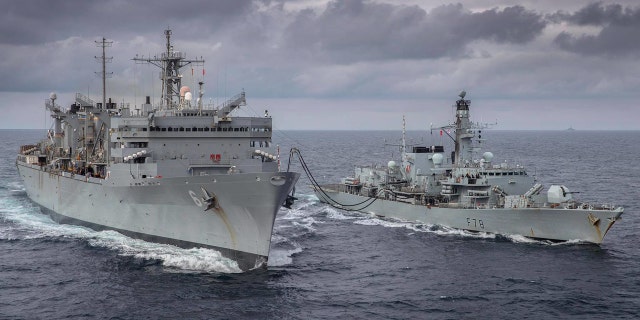
The Duke-class frigate HMS Kent takes part in a replenishment-at-sea with Supply-class fast combat support ship USNS Supply whilst on exercise with the U.S. Navy in the Arctic Circle on May 4. (Dan Rosenbaum, HMS Kent)
The U.S. Navy is back in the Barents Sea for the first time since the Cold War.

Three American destroyers, a combat support ship and a British Royal Navy frigate have entered the waters north of Scandanavia and Russia to conduct joint security operations, the Navy announced Monday.

...According to the Navy, the last time its fleet operated in the Barents Sea was in the mid-1980s. Russia’s Ministry of Defense was informed on May 1 of the Navy’s plans for the USS Donald Cook, USS Porter, USS Roosevelt, USNS Supply and Royal Navy HMS Kent.

“The notification was made in an effort to avoid misperceptions, reduce risk, and prevent inadvertent escalation,” according to the Navy.
Laser

Surprise: Navy Submarines Could Soon Shoot Lasers From Beneath The Waves

Indeed, Optical Physics Company, a California-based technology firm, has designed a beam director—which steers the beam toward the target—for a mast-mounted submarine laser. “OPC has designed such a beam director with the right form factor for insertion into a submarine mast,” says the description on the company’s Web site. “This beam director can track the target and aim an approximately 12-inch diameter beam onto the target. The beam director can optionally contain adaptive optics components to condition the wavefront of the HEL [high energy laser] beam and compensate for the atmospheric distortions that reduce beam effectiveness in a maritime environment.”

If the Navy can develop electrical hull connectors, power generation and other systems needed for a submarine-mounted laser weapon, the potential could be enormous. A stealthy submarine emerging from the depths to fire a surprise laser shot could be devastating.
Weapons

Army's New Missile Prototype Strikes 50-Mile Test Target in Just 91 Seconds


Army's New Missile Prototype Strikes 50-Mile Test Target in Just 91 Seconds
The U.S. Army's experimental long-range missile just completed its latest test to show it's just as effective at attacking enemy targets much closer than its maximum range of 310 miles.
The service's new Precision Strike Missile (PrSM) quickly closed the 85 kilometers, or 52 miles, and struck its target during an April 30 test at White Sands Missile Range, New Mexico, according to a recent Army news release.
The test was "the shortest and most challenging yet," Brig. Gen. John Rafferty, director of the Army's Long Range Precision Fires Cross-Functional Team, said in the release.
At shorter ranges, the PrSM must expend more energy to adjust its angle of attack in a short period of time, Rafferty said in the release.
"It has to start tipping as soon as it comes out of the launcher," he said. "It was a pretty exciting 91 seconds or so."
Military spending

Now Is the Time to Cut the Defense Budget


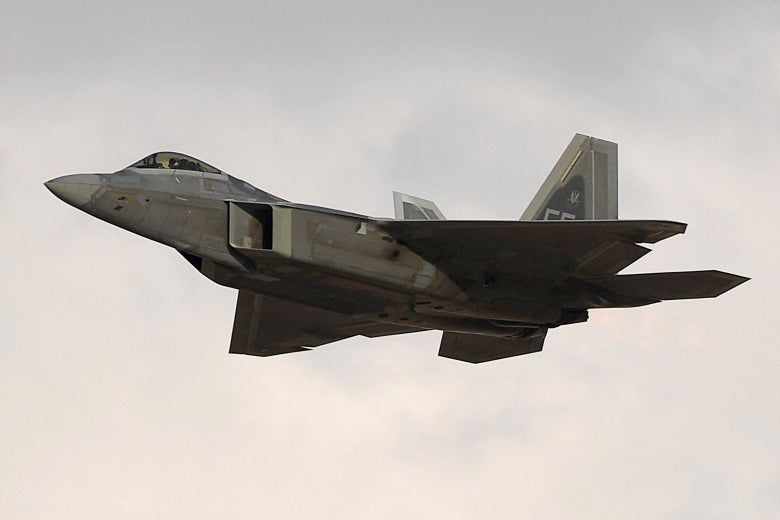
A U.S. Air Force F-22 fighter jet
Secretary of Defense Mark Esper is worried that the COVID-19 crisis might waylay his plans to increase the military budget. No kidding. But the way Esper formulated the problem shows he isn’t remotely prepared to deal with it.
Esper said on Monday that “we need 3 to 5 percent annual real growth” in the defense budget. Since this year’s budget amounts to $740 billion, he’s talking about increasing it by $22 billion to $37 billion—for a total, next year, of up to $777 billion, or actually a bit more than that, since he called for that much “real growth,” meaning growth beyond the level of inflation.
Yet, Esper added, he is “concerned” that the government’s $3 trillion infusion into the economy, to keep the country and its people alive during the lockdown, “may throw us off that course.”
Biosecurity

Scientists Identify SARS-CoV-2-Neutralizing Antibody

Colorized scanning electron micrograph of a VERO E6 cell (blue) heavily infected with SARS-COV-2 virus particles (orange), isolated from a patient sample. Image credit: NIAID.A team of researchers from Utrecht University, the Erasmus Medical Center and Harbour BioMed has identified a human monoclonal antibody that neutralizes SARS-CoV-2 and SARS-CoV-1 coronaviruses in cell culture. Named 47D11, this cross-neutralizing antibody targets a communal epitope (antigenic determinant) on these viruses and may offer potential for prevention and treatment of COVID-19.

“This research builds on the work our groups have done in the past on antibodies targeting SARS-CoV-1 that emerged in 2002-2003,” said senior co-author Dr. Berend-Jan Bosch, a scientist in the Department of Biomolecular Health Sciences at Utrecht University.
“Using this collection of SARS-CoV-1 antibodies, we identified an antibody that also neutralizes infection of SARS-CoV-2 in cultured cells.”
“Such a neutralizing antibody has potential to alter the course of infection in the infected host, support virus clearance or protect an uninfected individual that is exposed to the virus.”
The human 47D11 antibody binds to a domain that is conserved in both SARS-CoV-1 and SARS-CoV-2, explaining its ability to neutralize both viruses.

Monday, May 4, 2020

Military

HOW IS THE RUSSIAN MILITARY RESPONDING TO COVID-19?


8551
Until recently, the Russian government argued that its armed forces were officially COVID-19 free. State media reported that thousands of tests have been conducted since mid-March and no one in the entire military has contracted the virus.
The reality of COVID-19 in Russia, of course, is almost certainly much different than official accounts. The first cases are finally being reported, and announcements of forced quarantine in the army shed light on potential viral clusters. The authorities can now only hope to hide the increasing number of cases in the army as it scrambles to limit infections and save lives.
It is still too early to assess the real impact of the pandemic on the Russian armed forces. The global crisis is likely in its early stages, and the Russian military — like militaries around the world — will have its hands full in keeping servicemembers safe while at the same time performing its normal national security functions. In Russia, the need for a robust response is particularly acute, as a new batch of conscripts are preparing to join ranks before summer.
Energy security

Saudi Arabia's Oil Tanker Flotilla Is Reaching The U.S., Despite Some Objections

A flotilla of Saudi tankers loaded with crude oil has begun arriving on the U.S. Gulf Coast, worrying American shale producers who face uncertainty because of an oversupply of oil.

At least 18 very large crude carriers, each carrying 2 million barrels of oil, are headed to the U.S., according to Michelle Wiese Bockmann, markets editor and oil analyst for Lloyd's List, a shipping news service in London.

The first tanker, the Dalian, arrived last Friday and is floating off the coast of Houston and has yet to discharge any of its cargo, according to Lloyd's shipping tracking. The last one is due to arrive at the end of May.

All the ships were loaded in eastern Saudi Arabia in late March and early April, Wiese Bockmann says.

The surge in Saudi oil shipments comes amid an oil glut and an estimated 30% drop in global demand because of the coronavirus pandemic. It also adds to tanker congestion at U.S. ports, as fuel storage runs short. American oil producers and senators are pressuring the Trump administration to block the shipments.
Aerospace

China's supersonic stealth bomber could be ready later this year - making it the third country alongside US and Russia capable of launching nukes from land, sea or air


China's new supersonic bomber, the Xian H-20, could be ready later this year, completing the country's nuclear triad (artist's impression)
China's new supersonic stealth bomber could be ready later this year.
The feared Xian H-20, which doubles China's strike range and completes its nuclear triad, puts Australia, Japan and Korea all within range.
It would mean China would join the US and Russia is possessing a three-pronged military force that can launch nuclear missiles from air, land and sea. 
Beijing has been weighing up when to roll out the bomber amid escalating tensions due to the coronavirus pandemic.
Military sources told the South China Morning Post the bomber could make its first public appearance at this year's Zhuhai Airshow in November.
The sources said: 'The Zhuhai Airshow is expected to become a platform to promote China's image and its success in pandemic control – telling the outside world that the contagion did not have any big impacts on Chinese defence industry enterprises.' 
Biosecurity

Second wave of coronavirus is "very likely," doctor warns

Chemistry, Crown, Coronavirus, Cure, Disease, Epidemic
As states begin to reopen and social distancing rules are relaxed, public health officials are warning about a possible second wave of coronavirus cases later this year. Dr. Shoshana Ungerleider, an internal medicine physician at Sutter Health in San Francisco, said Monday on CBSN that public health officials agree another round of cases is "very, very likely to happen." 
Ungerleider said a potential second wave coinciding with flu season could cause a lot of confusion due to the overlap in symptoms between the viruses. "This may put a heavy strain on an already taxed healthcare system, so I think we need to be preparing for this now," Ungerleider said. 
The lag time between infection and symptoms could also cause an increase in cases in the U.S. as social distancing rules are relaxed. "City and state officials, as well as the public, need to prepare and to understand that places may need to quickly reissue stay-at-home orders if in fact these local outbreaks start occurring," Ungerleider said. "We need to continue focusing on expanding testing and contact tracing."
Biosecurity

Millions Return To Work In Italy After Weeks Of Lockdown

About 4.5 million Italians are returning to work Monday as Italy — one of the countries hardest hit by COVID-19 — begins lifting some restrictions meant to stop the spread of the disease.

Italy has lost nearly 29,000 people because of the coronavirus, second only to the United States, according to data from Johns Hopkins University. More than 210,000 people in the country have been infected. Italy was one of the first countries to be racked by the disease. The government imposed strict lockdown policies on March 9, earlier than many countries started responding, as NPR's Sylvia Poggioli reported from Rome.

The construction sector, wholesale and certain manufacturing companies started welcoming workers back to work Monday, as Poggioli reported.

Many other aspects of Italian life will inch closer to normal. Restaurants are able to reopen, though they can prepare meals for takeout only. Parks can reopen with social distancing measures, and people can move beyond 200 yards from their home, among other activities.
Spy work

Intel shared among US allies indicates virus outbreak more likely came from market, not a Chinese lab


Eye, Eyes, Dark, Watching, Observing, Vigilant, Seeing
Intelligence shared among Five Eyes nations indicates it is "highly unlikely" that the coronavirus outbreak was spread as a result of an accident in a laboratory but rather originated in a Chinese market, according to two Western officials who cited an intelligence assessment that appears to contradict claims by President Donald Trump and Secretary of State Mike Pompeo.
"We think it's highly unlikely it was an accident," a Western diplomatic official with knowledge of the intelligence said. "It is highly likely it was naturally occurring and that the human infection was from natural human and animal interaction." The countries in the Five Eyes intelligence-sharing coalition are coalescing around this assessment, the official said, and a second official, from a Five Eyes country, concurred with it. The US has yet to make a formal assessment public.
The assessment from members of the exclusive intelligence-sharing group seems to undermine forceful claims by Trump and Pompeo in recent days, as they have doubled down on the assertion that the outbreak originated from a laboratory in Wuhan, China, rather than a market in the same region.
It will likely increase pressure on the Trump administration to provide evidence to back up its claim, which it has failed to do so far despite the increasingly aggressive rhetoric from the President and his top diplomat.
Biosecurity

West suffering because it failed to listen to China on COVID-19, says Lancet editor

The-Lancet-2006-03-17-cover.gifChina deserves gratitude, not criticism over its handling of the COVID-19 pandemic, according to the editor of The Lancet.
Richard Horton, editor-in-chief of the prestigious medical magazine, told CGTN that while Chinese researchers were providing crucial information about the threat, governments in the West failed to listen or prepare for the coronavirus, leading to thousands of unnecessary deaths.
At the end of January, The Lancet published five papers that "tell the story of what has unfolded in the Western world in the recent months," he said. They showed a deadly virus had emerged that had no treatment and could be passed between people.
"We knew all of this in the last week of January but most Western countries and the United States of America wasted the whole of February and early March before they acted. That is the human tragedy of COVID-19," he said. "Thanks to the work of Chinese doctors and scientists working in international collaborations, all of this info was known in January but for reasons that are difficult to understand, the world did not pay attention."
"Thousands died unnecessarily as a result" of these failings, Horton claimed.
He said attacks on China made by politicians were unwarranted.

Health security

Seniors with COVID-19 show unusual symptoms, doctors say


Elderly Israelis sit in a designated protected space in a senior citizens home in Jerusalem, June 2, 2009, as a siren is sounded during a nationwide civil defense drill simulating a rocket attack.  (photo credit: REUTERS)Older adults with COVID-19, the illness caused by the coronavirus, have several "atypical" symptoms, complicating efforts to ensure they get timely and appropriate treatment, according to physicians.
COVID-19 is typically signaled by three symptoms: fever, an insistent cough and shortness of breath. But older adults - the age group most at risk of severe complications or death from this condition - may have none of these characteristics.
Instead, seniors may seem "off" - not acting like themselves - early on after being infected by the coronavirus. They may sleep more than usual or stop eating. They may seem unusually apathetic or confused, losing orientation to their surroundings. They may become dizzy and fall. Sometimes, seniors stop speaking or simply collapse.
Cold war history

‘Rockers and spies’ – how the CIA used culture to shred the iron curtain

Scorpions On Stage In NurembergRudolf Schenker and Klaus Meine of the Scorpions perform on stage at the Frankenhalle in Nuremberg, Germany in December 1990.Two memories: one, from November 1989, of a crowded bar at 3am in Berlin, not far from the wall breached just 36 hours beforehand. My brother and I are in town for the craic and biggest street party of all time. An awful band called Eurocheque strikes up a cover of the Scorpions’ Big City Nights and, inebriated, the crowd joins in. An elderly couple from the eastern sector two-steps to the beat. It’s very moving. A few months earlier, the Scorpions had played a music festival in Moscow, and were already working on their most famous song: Wind of Change.
Second memory: the less epic surroundings of Mote Park, Kent, three decades later. The Scorpions, this time for real, with bedazzling lightshow and backdrop of peace signs on a holograph of the Berlin Wall; Klaus Meine – born 1948, year of the Berlin blockade – singing Wind of Change through a chilly night. “The world is closing in/ Did you ever think/That we could be so close, like brothers … ?
Now, it turns out, that sparkler-swaying anthem may have been contrived by US intelligence as cultural subversion of communism. An upcoming podcast seriesWind of Change, by the New Yorker’s Pat Radden Keefe, investigates whether it was – as the journalist was told a decade ago – actually a CIA-crafted confection.

Sunday, May 3, 2020

Power grid security

Trump Declares National Emergency As Foreign Hackers Threaten U.S. Power Grid

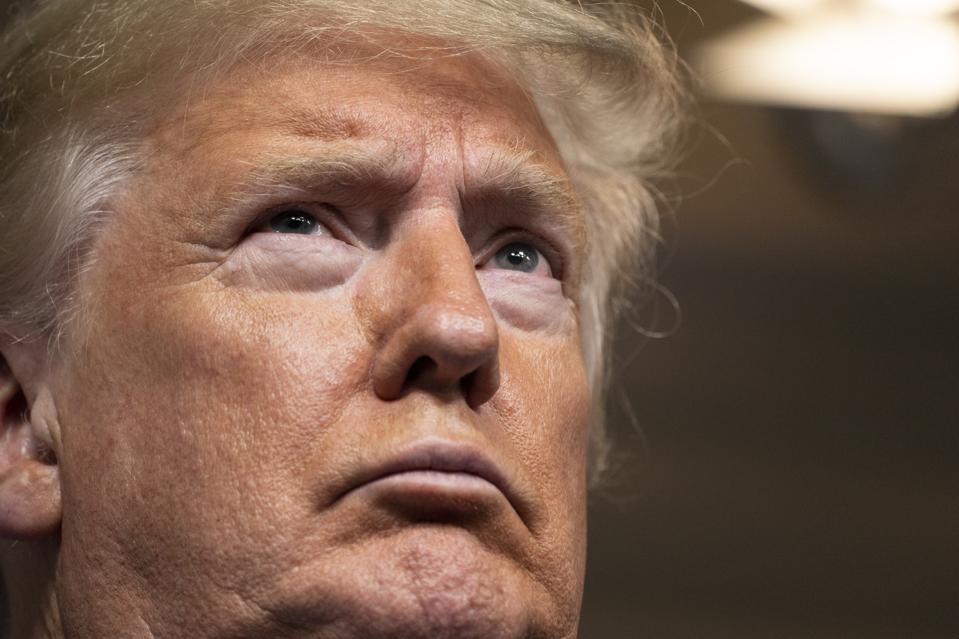
Close up of the face of U.S. President Donald Trump
President Trump has signed an executive order that declares foreign cybersecurity threats to the U.S. electricity system a national emergency.
President Trump signed an executive order, May 1, to further secure the U.S. bulk-power system from foreign adversaries that he wrote are "increasingly creating and exploiting vulnerabilities." The executive order, declaring a national emergency over the hacking threat, bans the "acquisition, importation, transfer, or installation," of bulk-power system electricity equipment from companies under foreign adversary control.
The executive order also confirmed that a task force had been established, with members including the Secretary of Defense, Secretary of Homeland Security, and the Director of National Intelligence, to work to protect against national security threats to energy infrastructure. What this order did not do is go as far as naming any specific foreign adversaries, nor the companies they may control.
Cybersecurity

This Surprisingly Simple Email Trick Will Stop Spam With One Click


Young businesswoman at her desk covered in a pile of envelopes with SPAM on them
Some 320 billion spam emails are sent every day, and 94% of malware is delivered via this medium. What if I were to tell you a surprisingly simple one-click email trick could stop them?
Over half of all global email traffic is spam, a statistic that is only surprising in as far as most people probably expected it to be more than that. To put that into some perspective, the latest analysis from Cisco Talos intelligence puts the average daily spam volume for April at 320 billion.
Spam is always annoying, sometimes amusing and often dangerous. According to Google, its Gmail service blocks more than 100 million phishing emails every single day, 18 million of them related to COVID-19 in some way. With as much as 94% of malware being delivered by email, and one in every 3,000 email messages containing malware payloads, spam remains a very real problem in 2020.
Crime

Mafia confessions: Why mob forgave one criminal who snitched on the notorious organisation

henry hill mafia mob lufthansa heist crime forgiveTales of The Mafia reign of terror on the streets of New York have fascinated the public and historians alike for decades. The notorious crime syndicate, also known as ‘the mob’, are a highly organised society of Italian-American lawbreakers. Since they were founded in the late 19th century, they have been responsible for countless killings, heists, trafficking and drug operations in the US. Stories about their highly secretive operations were later adapted into films including cult trilogy ‘The Godfather’, 1990 hit ‘Goodfellas’ and most recently ‘The Irishman’ last year. Unearthed accounts about the real five criminal families that made-up The Mafia, reveal why they chose to forgive Henry Hill, who became one of their biggest snitches. Historian Lorcan Otwary told Express.co.uk about why The Mafia refused to assassinate the man whose testimony led to 50 convictions, including one high-up crime boss.
Food security

Italy fury erupts as mass starvation fears spark chaos in third biggest eurozone economy

ITALYTENSIONS in Italy have triggered a furious response from citizens who fear mass starvation and financial collapse in the third biggest economy in the eurozone.

Italy - one of the hardest-hit countries from the coronavirus pandemic - will start to ease its two-month strict lockdown from Monday. However, tensions across the country are still intensifying with many residents in fear that the virus chaos may still spark mass starvation. In recent days, fury has erupted with fights breaking out between shoppers at a series of supermarkets.
One incident that went viral on social media showed a desperate family pleading with a police officer after they were unable to withdraw their grandmother's pension - the family's sole income.
In another video, supermarket shoppers erupted into a brawl after several people attacked one shopper for refusing to wear a face mask.
One Priest told the Guardian: "Now people are more afraid — not so much of the virus, but of poverty. Many are out of work and hungry. There are now long queues at food banks."
Weapons

Special Operations Community Embraces ‘Wildcat’ Calibers


One phenomenon that has emerged from the U.S. special operations community over the last 10 to 12 years involves exploration and acquisition of small arms in new ballistic calibers.
Rather than the better known weapon designs in 5.56 mm, 7.62 mm, .50 caliber, and even the U.S. Army’s emerging 6.8 mm Next Generation Squad Weapon, the community has embraced calibers like the .300 AAC (Advanced Armament Corporation) Blackout (.300 BLK), 6.5 Creedmoor, .300 PRC (Precision Rifle Cartridge), and both .300 and .338 Norma Magnum.
Often created as so-called “wildcat” rounds, prior to their broader acceptance and expanded production availability, these new caliber cartridges each provide a staggering array of design and performance specifics, experts said.
Recent requests for information released by U.S. Special Operations Command have identified specific command interest in a compact personal defense weapon chambered in .300 BLK.
“We’re dealing in whole different types of mission sets,” explained C.J. Dugan, vice president of business development at Maxim Defense, which has developed its own personal defense weapon designs. “The old way was, if you were doing ‘low vis’ close target reconnaissance or protection, you really only had an MP5 [9x19 mm Parabellum], which is hard to deal with these days because of parts. The only other answers you had were a pistol or a Mk18 [M4A1 (5.56x45 mm NATO) with a Close Quarters Battle Receiver variant with 10.3-inch barrel].
Navy

China Increases Potency Of Anti-Carrier Capabilities

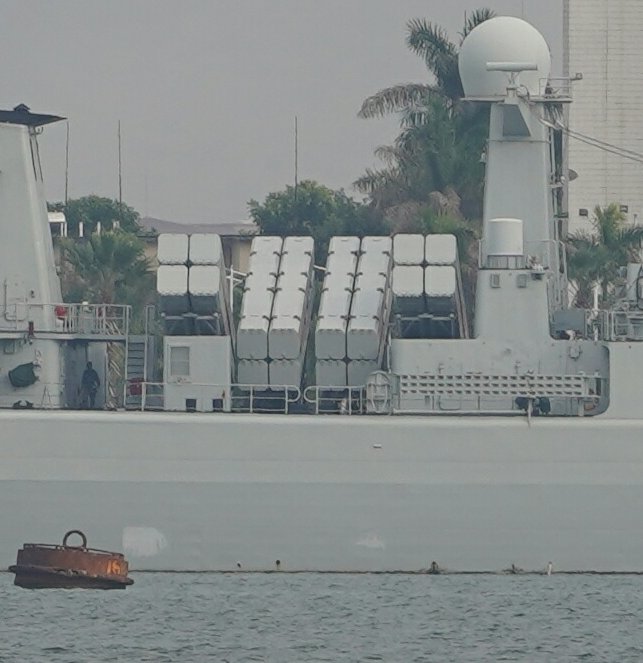
View image on TwitterThe Chinese Navy is building an incredible number of modern warships. New frigates, destroyers, cruisers and aircraft carriers will spearhead the world’s largest Navy. But hiding behind the vast shipbuilding program is another pillar of the Chinese Navy’s war-fighting capability; upgrading older warships with new weapons. These upgrades are less widely reported than the impressive new ships, but they are a significant factor in the Chinese Navy’s overall firepower.
The first warship confirmed to be fitted with the YJ-12 supersonic anti-ship missile, dubbed a ‘Carrier Killer’ in some circles, is an older ship.
The People’s Liberation Army Navy, or PLAN’s, sole Type-051B destroyer, Shenzhen, entered service 20 years ago. It was first seen with YJ-12s a couple of years ago, but only at the end of last year was it seen with a full complement of 16 missiles. Previously it had carried the ubiquitous YJ-83 missiles, generally analogous to the U.S. Navy’s Harpoon. Don’t be misled by the smaller number in the designation, the YJ-12 is a much newer missile than the YJ-83. The sea-skimming YJ-83 boasts an impressive range and is still considered an effective missile, but it lacks the strategic impact of the YJ-12.
Communication security

NSA security guide: How to choose safe conferencing and collaboration tools


NSA logo
The US National Security Agency (NSA) published last week a security assessment of today's most popular video conferencing, text chatting, and collaboration tools.
The guidance contains a list of security criteria that the NSA hopes companies take into consideration when selecting which telework tool/service they want to deploy in their environments.
The NSA document is not only meant for US government and military entities but the private sector as well.
The idea behind the NSA's initiative is to give military, public, and private organizations an overview of all of a tools' features, so IT staff don't make wrong decisions, expecting that a tool provides certain features that are not actually living up to the reality.
Per the NSA's document, the assessed criteria answers to basic questions like:
  1. Does the service implement end-to-end (E2E) encryption?
  2. Does the E2E encryption use strong, well-known, testable encryption standards?
  3. Is multi-factor authentication (MFA) available?
  4. Can users see and control who connects to collaboration sessions?
  5. Does the tool's vendor share data with third parties or affiliates?
  6. Do users have the ability to securely delete data from the service and its repositories as needed (both on client and server-side)?
  7. Is the tool's source code public (e.g. open source)?
  8. Is the service FedRAMP approved for official US government use?
Robots

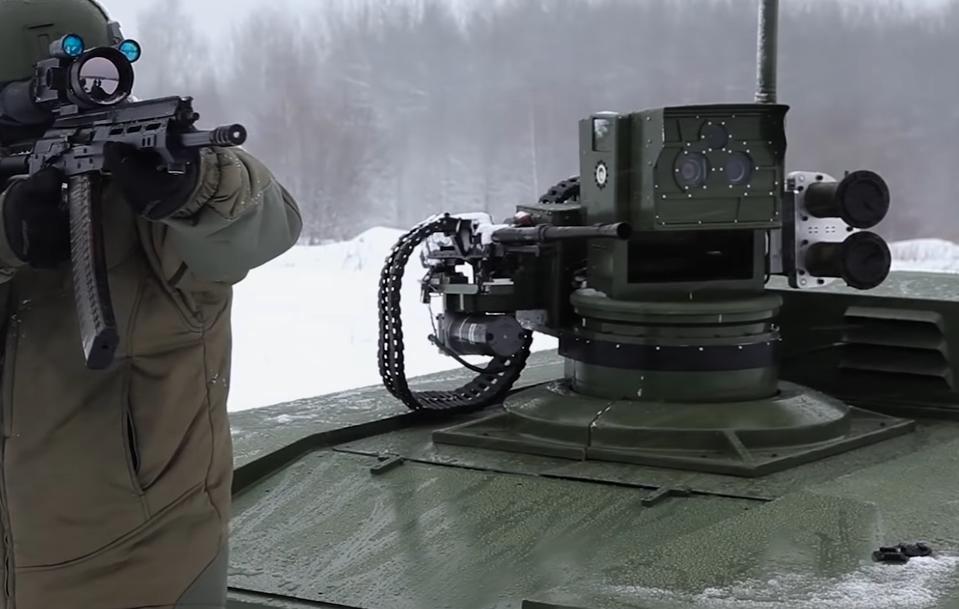
Robots Will Replace Soldiers In Combat, Says Russia

A soldier with a rifle and a robot tank.
For Russia, the question of robots taking over the role of soldiers on the battlefield is a matter of when, not if.
“Living fighters will gradually begin to be replaced by their robotic ‘brothers’ who can act faster, more accurately and more selectively than people,” Vitaly Davydov told RIA Novosti on April 21. Davydov is the deputy director of Russia's Advanced Research Foundation, its DARPA analog. 
Developing robots for war is an international phenomenon, and Davydov’s remarks fall into a broader pattern of Russia seeking to augment its existing military with new, autonomous capabilities.
Radiation safety

Four things you didn’t know about nuclear waste

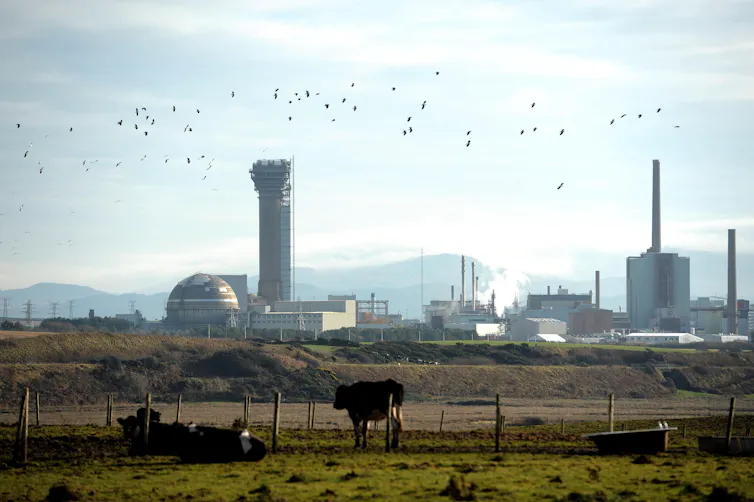
Some of what you’ve heard about nuclear waste is true. It really can take thousands of years to decay, and even the briefest exposure to the most dangerous kind can be lethal.
But in my ten years working with and researching nuclear waste, I’ve also encountered a lot of nonsense. It’s simply not as bad as many of the scare stories make out. And with the UK and other countries having to decide where to host the next generation of nuclear waste disposal facilities, such misconceptions can be very damaging.

Nuclear waste can be thought of as anything that comes from a site licensed to handle nuclear material which is no longer useful. Radioactive waste is anything that isn’t useful and also gives off harmful ionising radiation. I want to clear up a few things about these types of waste:
Navy

The French Navy’s New Suffren Class Attack Submarine

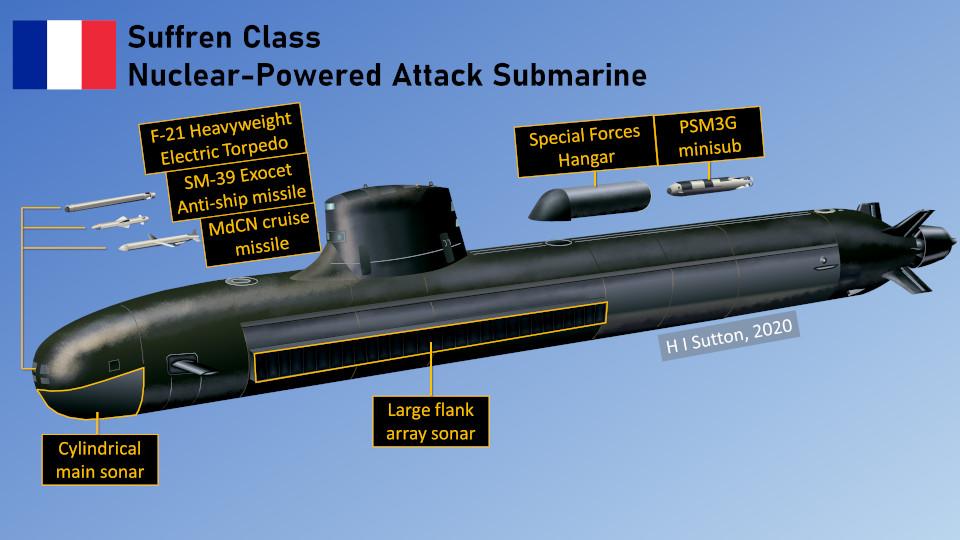
Barracuda Class Suffren Class Submarine of Marine NationaleThe first Suffren Class attack submarine has begun sea trials. It represents a step-change for the French Navy, officially known as the Marine Nationale. France already operates a nuclear-only submarine force, which places it on the top tier of world navies. But the current Rubis Class boats are significantly smaller than their U.S. and British counterparts. And they are a generation older. The Suffren should largely close the gap on France’s leading NATO allies.
Suffren is the first of 6 Barracuda type boats for the French Navy. She was laid down in December 2007 and launched in July last year. She successfully completed a static dive test, part of the builder’s trials, on April 28.
At around 5,000 tons surfaced she is about twice the size of the diminutive Rubis class. And larger than any non-nuclear types in service around the world. Yet she is still smaller than either the Royal Navy’s Astute Class (~7,000 tons) and the U.S. Navy’s Virginia Class (~8,000 tons).
Biosecurity

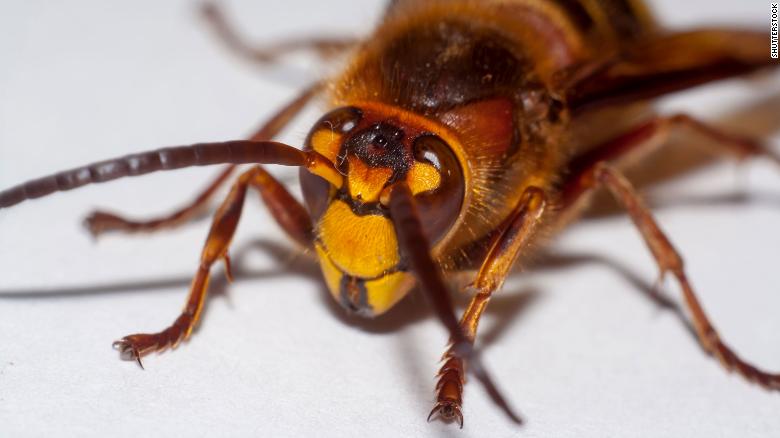
The Asian giant hornet is nicknamed the "murder hornet." And yes, it's as bad as it sounds. Invasive giant hornets have been spotted in the US for the first time


Just when you thought 2020 could not get any worse, there are giant hornets with a venomous sting to add to the list of worries this year.
The insects known as the Asian giant hornets have been spotted in the United States for the first time, specifically in Washington state, scientists say. Beekeepers have reported piles of dead bees with their heads ripped off, an alarming sight in a country with a rapidly declining bee population.
At more than two inches long, they're the world's largest hornets with a sting that can kill humans if bitten multiple times, according to experts at the Washington State University. Researches have nicknamed them "murder hornets."
"They're like something out of a monster cartoon with this huge yellow-orange face," Susan Cobey, a bee breeder at the Washington State University's department of entomology, said recently.
Innovations & technologies

Technologies That will Manage Social Distancing

social distancingThe reopening of shopping malls is now under consideration in Israel and the world, with various safety limitations, after a prolonged closure as a result of the COVID-19 pandemic. The transition to a new routine characterized by social distancing will be based on the use of innovative technologies, including applications that will supply real-time data.
A smartphone app developed by US-based SocialSmart for both the iPhone and Android operating systems uses anonymous bluetooth technology to monitor the social distancing habits of its users and, via a unique algorithm, inform users of their social distancing success by measuring the quantity and quality of each user’s social interactions, according to aithority.com.
The app, which will be free of charge to download, adds a layer of social distancing data so individuals, families and communities can make more intelligent social distancing decisions. The app can accurately track how many people a user socializes with during the day (inside a distance of 10 feet) as well as the duration of the interaction.
It then compiles a real-time user score based on his or her interactions, giving the user a simple touchpoint to either maintain or improve their social distancing habits.
Radar

Domestically-Developed Radars Unveiled by Iran

In another move to further enhance its air defense capability, the Iranian military announced that it has developed its own state-of-the-art radar system. The report was aired by IRINN TV (Iran). 
Two new radar systems, developed domestically in a joint venture with Iran’s Defense Ministry and private tech firms, will soon be integrated into Iran’s defense capabilities.
The first system, the Khalij-e Fars radar system, reportedly has a range of 800 kilometers, uses HF frequencies, has “three-dimensional capabilities,” according to memri.org. It can detect all conventional and radar-evading targets as well as ballistic missiles.
The second system is known as the Moragheb radar reportedly uses phased array technology with an operational range of some 400 kilometers. according to the Iranian Fars News Agency. Reportedly, Both radar systems have the capacity to detect airborne targets with high accuracy at low and medium altitudes as well as radar-evading and unmanned aerial vehicles (UAV).
Iran has also unveiled a missile defense system designed and manufactured by experts at home. The surface-to-air missile system, dubbed Bavar-373, is a mobile missile defense system designed to intercept and destroy incoming hostile targets. The system employs missiles that have a maximum range of 300 kilometers, according to presstv.com.