Research examines global security and surveillance technologies
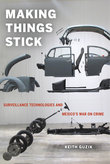 As governments around the world scramble to better respond to security threats, they are increasingly monitoring everyday things used to commit crime, like cell phones and automobiles. This novel approach to fighting crime forms the backdrop of recent research published by Keith Guzik, a sociologist at the University of Colorado Denver.
In his new book "Making Things Stick: Surveillance Technologies and Mexico's War on Crime" Guzik examines Mexico, one of a number of countries around the globe beset by criminal networks, in order to understand how surveillance technologies impact security policy around the world.
Using documents, survey data and interviews with government officials and Mexican citizens, Guzik followed a trio of federal programs featuring cutting-edge information systems designed to fight crime. These included a national cell phone registry devised to help authorities respond to kidnappings and extortion calls; a national identity card featuring biometric data to protect people from identity theft and fraud; and a national automobile registry with radio-frequency identification (RFID) tags to fight car thefts, kidnappings, and drug trafficking.

No comments:
Post a Comment